
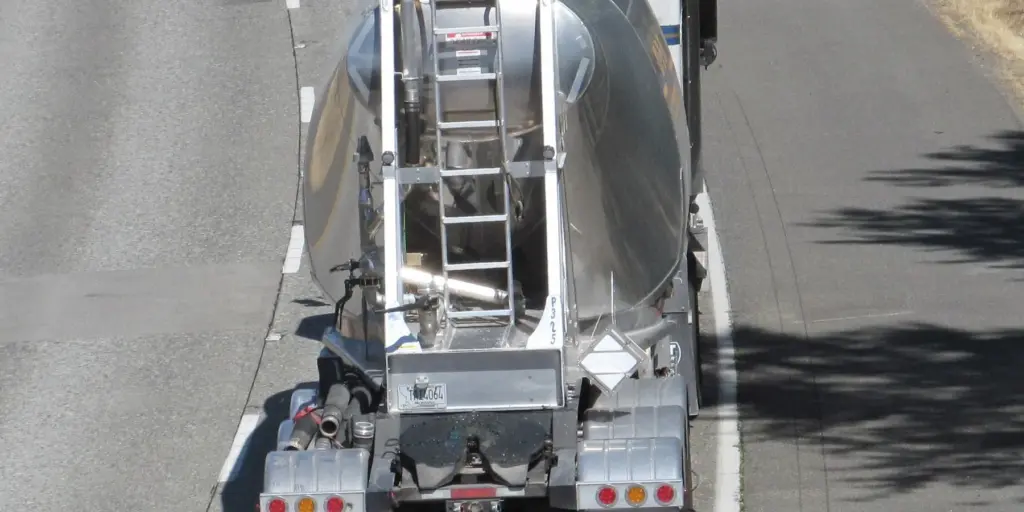
PHMSA hazmat registration services help a business determine whether its offering or transportation activity meets the federal registration thresholds, prepare the annual statement, pay the proper fee and maintain the certificate and supporting records. Registration is separate from hazmat employee training, FMCSA operating authority, a hazardous materials safety permit and state hazmat programs.
Who must register with PHMSA?
Registration applies to people who offer for transportation or transport specified categories and quantities of hazardous materials in commerce. The categories include certain explosives, poisonous-by-inhalation materials, highway-route-controlled radioactive quantities, specified bulk packaging, large non-bulk shipments of one placarded class, and quantities that require placarding. The precise thresholds and exceptions must be applied to the company’s actual materials and packaging.
| Screening question | Evidence to review | Why it matters |
|---|---|---|
| What materials are offered or transported? | The offeror’s classification records, proper shipping names, hazard classes and identification numbers, with safety data sheets used only as supporting information | The offeror’s transportation classification and actual shipment facts control; an SDS is not conclusive |
| In what quantity and packaging? | Package capacity, shipment weight, bulk status and placarding requirement | Several thresholds depend on quantity or package type |
| What is the company’s role? | Offeror, carrier, contractor, private carrier or employee relationship | Responsibility and statutory exceptions can differ |
| Does an exception apply? | Government, farming, lease and foreign-offeror facts where relevant | Exceptions are specific and should be documented |
| Are other programs triggered? | Materials, routes, quantities, states and security-plan status | PHMSA registration does not replace permits, training or FMCSA requirements |
What a registration service should handle
- Applicability review. Map the operation to the current registration categories and documented exceptions.
- Company record check. Locate the correct company and HM Company ID rather than creating avoidable duplicates.
- Registration-year selection. Choose the proper period or permitted multiyear option based on the business’s needs.
- Fee-category review. Determine whether the registrant is a not-for-profit organization, a qualifying small business under the applicable SBA standard or another registrant.
- Submission and payment. File through the official system with authorized registrant approval.
- Certificate delivery. Provide the current certificate, registration number and a record package for the principal office and vehicles.
Certificate and recordkeeping duties
PHMSA says copies of the registration statement and certificate must be kept for three years at the principal place of business and be available for inspection. Motor carriers must also have proof of the current registration aboard each truck or truck tractor used for covered transportation. The proof may be the certificate or another document bearing the current registration number as permitted by the rule.
A provider should deliver a clearly named certificate and tell the carrier which vehicles need proof. It should also create a renewal reminder early enough to resolve company-name, address or account changes before July 1.
The registrant remains responsible for the accuracy of the underlying facts, use of the correct legal entity and fee category, timely registration, payment, record retention and current proof in covered trucks or truck tractors. A filing service can review, prepare and submit information with authorization, but those Part 107 duties do not transfer to the service.
PHMSA registration compared with related programs
Hazmat employee training
Applies to people whose work affects hazmat transportation safety. Registration does not train or certify employees.
FMCSA Hazmat Safety Permit
Applies to highway carriers of certain especially hazardous materials. Some registrants need it, but not every registrant does.
Security plan
Required for specified materials and quantities under separate criteria. Registration is not the plan.
State programs
States may impose additional registration, permit, routing or fee requirements that federal registration does not replace.
How to compare PHMSA registration providers
- Will you perform a documented applicability review or only submit the form we request?
- Do you check existing registration history and the HM Company ID before creating a record?
- How do you determine the correct registration year and business-size fee category?
- Will government fees and service charges be shown separately?
- Can you amend a current registration when the company name or address changes?
- Do you identify possible FMCSA safety-permit, security-plan and state-program follow-up?
- What records will we receive, and how will renewal reminders be handled?
- Can you help correct a missed prior registration year without promising that penalties disappear?
Common registration mistakes
Businesses sometimes register the wrong legal entity, choose a period that does not cover the movement, fail to update an address, leave proof out of the vehicle or assume a carrier they lease to covers every obligation. Others register unnecessarily because they did not check the actual material, quantity, packaging and exception rules.
Prepare for an applicability review
Gather the legal name, EIN, USDOT or MC number, business size information, prior registration details, material list, hazard classifications, packaging capacities, typical shipment quantities, placarding decisions, operating states and company role in the shipment. The provider should document any facts that make an exception material.
For employee curriculum and records, compare DOT hazmat training. For wider policies, permits and security controls, review hazmat compliance services.
How DCC helps with this service
DOT Compliance Companies is a provider-matching marketplace. We help carriers and drivers compare listed providers and send a request to suitable businesses. The selected provider confirms its own scope, credentials, coverage and deliverables. Regulated decisions and the motor carrier's legal duties remain with the responsible parties described on this page.
Review PHMSA registration requirements
Share your materials, quantities, packaging, company role, prior registration and operating states.
Request registration support