
A DOT physical and a DOT-regulated drug test are two separate services. A physical examination determines whether a driver meets applicable medical qualification requirements. A regulated drug test is conducted under the relevant transportation workplace testing rules. A driver may need both, but completing one does not satisfy the other requirement.
Some occupational health locations offer both services. Before arranging an appointment, confirm exactly what is included, which authorization is required, and how each result will be handled.
Why a DOT Physical Is Not a Drug Test
During a federally required DOT physical, an FMCSA National Registry medical examiner evaluates the driver’s medical qualification under applicable regulations. The examination includes medical urinalysis, but that urine assessment is not the separate DOT-regulated controlled substances test.
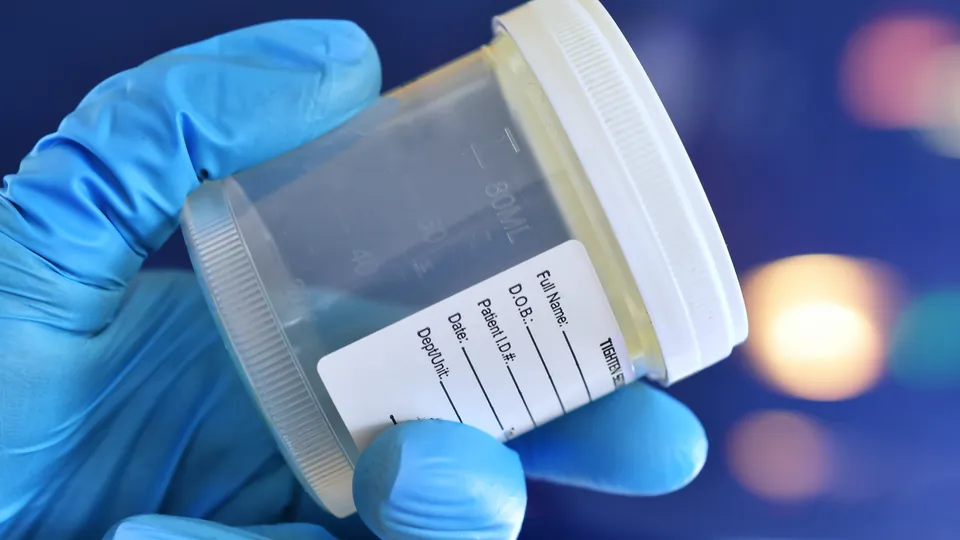
A DOT drug test uses a distinct collection and laboratory process governed by transportation workplace testing requirements. It involves regulated specimen handling, a qualified collector, laboratory analysis, and medical review officer (MRO) procedures where applicable.
The distinction matters when a driver is told to obtain a physical and a drug screen. Booking only a medical examination will not provide the employer with the separate regulated testing service. Likewise, completing a drug specimen collection does not establish medical qualification to operate a commercial motor vehicle.
For a more detailed explanation of the examination itself, see what a DOT physical consists of.
Who Arranges the Drug Test?
For an employer-required DOT-regulated test, the employer or its designated testing program normally identifies the testing requirement and provides the necessary instructions. These may include the testing reason, collection authorization, designated collection site, and information used to route results.
A driver should not assume that independently purchasing a general employment drug screen will meet an employer’s DOT testing requirement. Non-DOT testing and regulated DOT testing follow different procedures, even when the same clinic offers both.
Employers arranging pre-employment testing should confirm the applicable regulated testing program, the intended collection process, and the party responsible for receiving verified results. Drivers should follow the employer’s instructions rather than choose a testing category without authorization.
Can Both Services Be Completed at One Location?
Possibly. Some occupational health facilities conduct medical examinations and provide regulated specimen collection at the same address. However, the presence of a National Registry medical examiner does not establish that the location also offers DOT drug testing.
When contacting a clinic, clarify the following points:
- Is a National Registry medical examiner available for the physical examination?
- Does the location also provide the specific DOT-regulated specimen collection required by the employer?
- Can the two services be scheduled for the same visit?
- What employer authorization or collection instructions are required?
- Are the examination and testing charges separate?
- How are examination documentation and verified drug test results directed to the appropriate recipients?
These questions help prevent a driver from arriving for a medical appointment only to discover that a separate collection must be arranged elsewhere. A clinic may be able to complete one service but not the other, or may use different scheduling and administrative processes for each.
Different Paperwork and Different Results
The DOT medical examination uses the Medical Examination Report, Form MCSA-5875. When the examiner determines that the driver qualifies, the Medical Examiner’s Certificate is Form MCSA-5876. Medical certification may be valid for up to 24 months, although the examiner can issue a shorter certification period.
Regulated drug testing uses its own collection documentation and result-review process. The medical review officer has a distinct role in reviewing laboratory drug test results. Collection of a specimen is not the same as receiving a final verified result.
An issued medical certificate should not be described as evidence of a negative drug test. Similarly, an employer’s receipt of a drug test result does not replace the medical examiner’s qualification decision.
Planning Services for New Hires and Existing Drivers
For a new driver, an employer may be coordinating medical qualification with pre-employment drug testing and other onboarding requirements. Existing drivers may need a medical certification renewal without a new pre-employment test, while a separately required drug test may arise under another regulated testing circumstance.
The correct arrangement depends on the driver’s role, the applicable testing rules, and the employer’s instructions. Drivers can explore DOT physical examination providers, while employers needing a distinct collection service can review DOT pre-employment drug testing services.
Before submitting an inquiry, establish whether the requirement is for a physical, regulated drug testing, or both. Supply the service location, driver count, and scheduling deadline. Medical history details belong in the appropriate clinical examination process, not a general provider inquiry.
Need a DOT Physical, Drug Test, or Both?
Tell us which services your employer requires, where they are needed, the number of drivers, and your deadline so we can review your request.
Request Service Options