

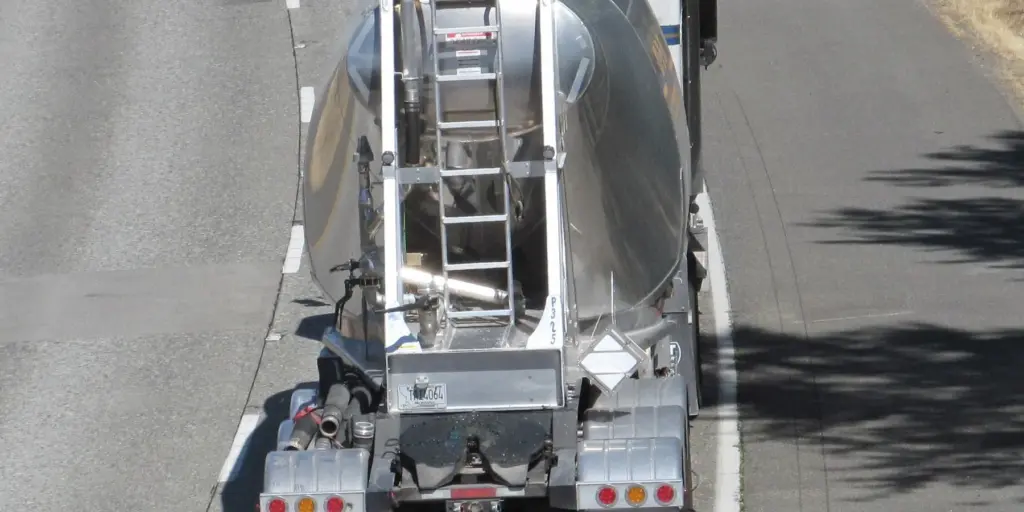
PHMSA hazmat registration services help a business decide whether federal hazardous materials registration applies, file the correct registration statement, maintain current certificates and avoid confusing registration with other hazmat obligations. Registration is important, but it is only one part of a larger hazardous-materials compliance system.
Who may need PHMSA hazmat registration?
PHMSA registration applies to specified persons who offer or transport certain types and quantities of hazardous materials in commerce. The exact test depends on the material, quantity, packaging, placarding and company role. It can apply to carriers, offerors and other businesses performing covered activities. It should not be treated as a simple yes-or-no question based only on the word “hazmat” in a shipment description.
PHMSA’s registration information explains categories of activities requiring registration and identifies exceptions. For example, certain government entities and employees are excepted. A hazmat employee, including some owner-operators leased to a registered motor carrier under a 30-day or longer lease or equivalent relationship, may also be excepted in the circumstances described by the rule. A provider should review the facts carefully before telling a carrier that no registration is needed.
Registration is not the same as a hazmat safety permit
Motor carriers often confuse PHMSA hazmat registration, hazardous-materials training, placarding, shipping papers and FMCSA hazardous materials safety permits. These are connected, but they are not the same. PHMSA registration is filed under the registration rules for persons who offer or transport covered hazardous materials. An FMCSA hazmat safety permit applies to certain high-risk materials and is handled through a different safety-permit framework.
A carrier may need PHMSA registration without needing an FMCSA hazmat safety permit. Another carrier may need both. A provider should explain the distinction before filing anything, because the wrong assumption can leave a carrier with a certificate that does not solve the actual compliance gap.
Facts to collect before filing
| Fact area | Why it matters | Examples to review |
|---|---|---|
| Company role | Registration can apply to persons who offer or transport covered materials | Carrier, shipper, freight forwarder, private fleet, contract role or leased owner-operator status |
| Material and quantity | Applicability depends on the hazardous material and threshold category | Class, division, placarding status, bulk packaging and high-hazard categories |
| Packaging and transport mode | Bulk, non-bulk and modal details can change the analysis | Tank, tote, cylinder, drum, package, highway movement or multimodal shipment |
| Registration period | The certificate must cover the activity period | Current year, multi-year selection, amendments and expiration date |
| Record location | Records must be maintained and produced when requested | Principal place of business, truck copy and accessible certificate records |
What the filing service should handle
A registration provider should begin with applicability, not payment. It should identify whether the company falls into a covered category, whether an exception may apply, which registration year or years are appropriate, and whether the filing needs to amend a prior certificate. It should collect accurate company information and make sure the carrier understands which certificate copies and records must be kept.
The provider should also warn when the work points beyond registration. If the material requires training, shipping papers, emergency response information, security planning, placarding, packaging, marking, incident reporting or a hazardous materials safety permit review, those issues should not be hidden behind the registration filing.
Certificate and recordkeeping controls
Under 49 CFR 107.620, each person subject to the registration subpart, or its designated agent where applicable, must maintain a copy of the registration statement and the certificate at its principal place of business for three years from the date of issuance. Motor carriers subject to the rule must carry a copy of the current PHMSA certificate or another document bearing the current registration number on board each truck and truck tractor used to transport hazardous materials subject to the registration requirement.
A practical filing service should deliver the certificate, receipt or filing confirmation, registration statement, expiration information and a short instruction on where copies should be stored. It should also set a renewal reminder early enough that the carrier is not trying to fix the certificate after dispatch has already accepted a covered load.
Common PHMSA registration mistakes
- Assuming every hazmat load requires registration without checking categories and exceptions.
- Assuming no registration is needed because the carrier is small or only occasionally moves covered materials.
- Confusing PHMSA registration with hazmat endorsement, hazmat training or an FMCSA hazardous materials safety permit.
- Failing to update company name or principal-place-of-business changes within the required amendment window.
- Letting the certificate expire while the carrier continues covered activity.
- Keeping the office copy but failing to make current proof available in the truck when required.
- Not connecting registration to shipping-paper, placarding, packaging and employee-training controls.
How to compare hazmat registration providers
Ask whether the provider reviews the actual material categories and company role before filing. Ask how they distinguish PHMSA registration from FMCSA safety permits and state requirements. Ask what documents the carrier receives after filing and how renewal reminders are handled. Ask whether they may help the carrier identify related hazmat compliance gaps without pretending registration alone covers the whole operation.
For hazmat employee instruction, compare DOT hazmat training services. For broader hazmat program controls, see hazmat compliance services. For route or state credentials tied to a movement, use state trucking permit services.
Keep registration tied to dispatch decisions
A certificate in an office folder does not help if dispatch accepts covered hazmat work without confirming current status. Build a simple control that connects customer onboarding, load acceptance, material review and certificate renewal. If a new material, packaging type, route or customer changes the operation, check whether registration, training, permit and shipping-paper duties still match the facts.
The provider’s job is to make the filing accurate and understandable. The carrier’s job is to ensure covered activity is not performed without current proof and the other required hazardous-materials controls.
Control changes after the certificate is issued
Registration work does not end when the certificate arrives. The carrier should know what change would require a fresh review, an amendment or a related compliance action. A changed legal name, changed principal place of business, new hazmat class, different packaging, bulk work, new customer, new operating state or new carrier relationship can all change the way the facts should be reviewed.
A provider should leave the carrier with a simple change-control note. It should tell dispatch, sales and safety staff when to ask before accepting a hazmat load. It should also identify who keeps the PHMSA certificate, who keeps training records, who reviews shipping-paper requirements and who checks whether an FMCSA hazmat safety permit question has been triggered.
This matters most in growing fleets. A carrier may begin with limited packaged materials and later accept bulk or placarded loads. The registration certificate might still be current, but the wider hazmat program may no longer match the work. Treat growth as a trigger for review, not only renewal.
What to confirm before hiring a provider
Before appointing a provider, confirm the work required, the records or information the provider will need, who will perform each part of the service, and what documentation will be returned when the work is complete. Check relevant credentials, service area, agency or program experience, record-handling procedures and any carrier actions that must be completed separately. A provider can assist with the service, but the motor carrier and other regulated parties remain responsible for duties that cannot be transferred.
Need help with PHMSA hazmat registration?
Share the carrier facts, deadline and current issue so the right DOT compliance support can respond.
Request support