
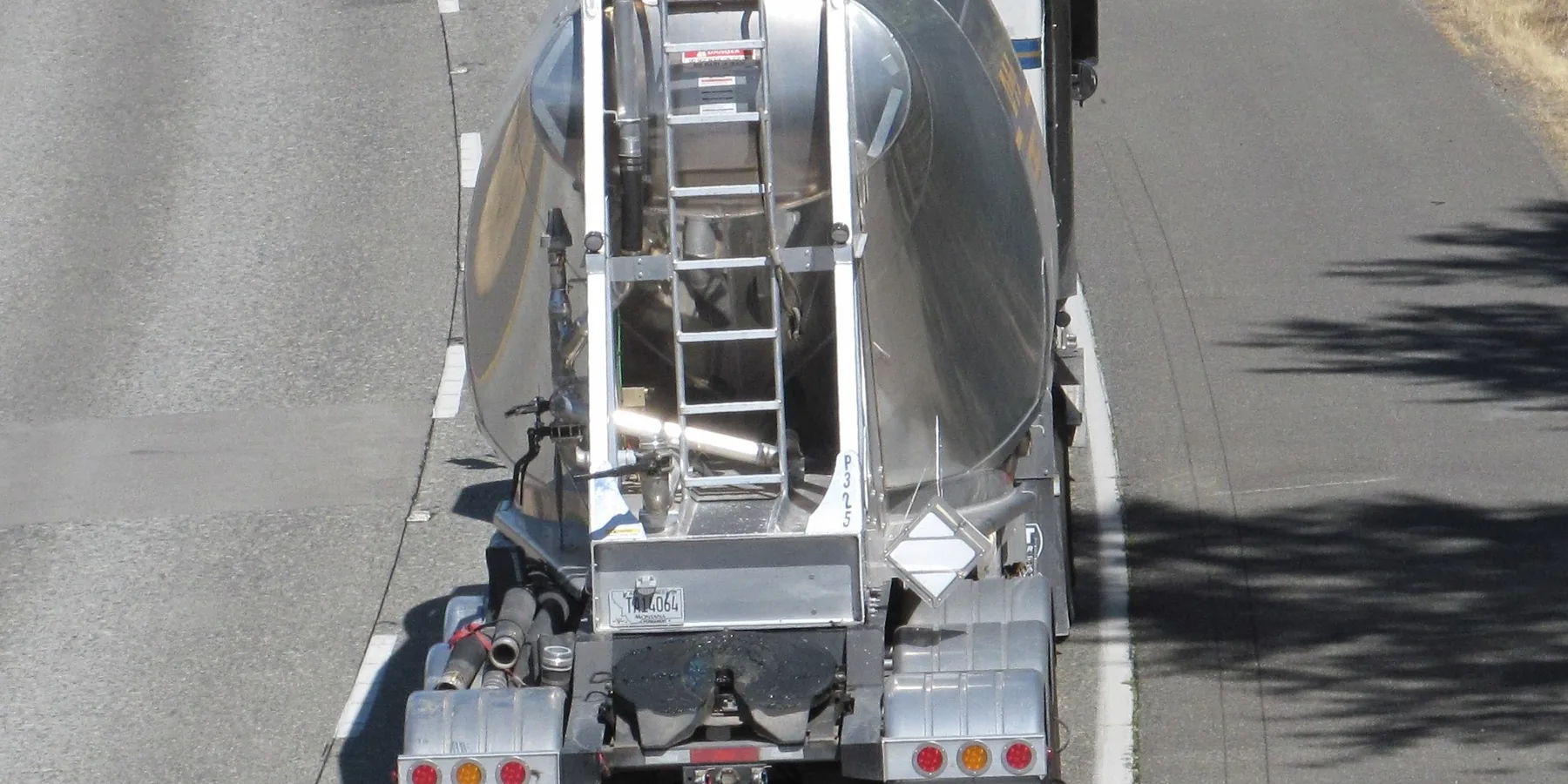
A hazmat carrier’s requirements depend on what is being transported, the quantity, packaging and the business’s role in the movement. A generic hazmat certificate does not answer those questions. Start a request with the actual material and work so a provider can identify the correct scope.
Describe the movement before buying support
Provide the material description and classification, packaging, quantities, routes and whether the business also offers materials for transport. Ask the provider to explain which registration, training, shipping-paper, marking, labeling, placarding or security requirements it will review. Different people in the same business may perform different regulated functions.
PHMSA registration and an FMCSA Hazardous Materials Safety Permit are separate matters. The permit applies to specified materials and quantities; registration should not be presented as permission to carry every hazardous load. Driver licensing, endorsements and other carrier duties also need to be checked against the operation.
Connect paperwork to loading and driving
Useful support should reach the people who prepare, check and carry the load. Ask how the provider handles function-specific training, record retention and changes to the material or route. For a known problem, provide the relevant inspection report or notice and agree which evidence must be reviewed first.
Compare the provider’s experience with the material involved rather than relying on a broad hazmat label. Check whether the engagement includes a document review, staff training, registration work, a security-plan assessment or recurring support. A directory profile does not independently confirm competence for every hazardous-materials activity.
Read the hazmat compliance guide and hazmat training guide. Use PHMSA’s current registration information for the official process.
Compare providers for Hazmat Carrier DOT Compliance

Gioioso Coaching and Consulting LLC
Premium MemberFor over 5 years, we've helped drivers safely get back behind the wheel so they can provide for themselves and their families. We will explain the entire process and help…
- SAP return-to-duty evaluations
Covers: Alaska · Arizona · Arkansas

Upper Rogue Counseling and Wellness Center
Free MemberI am a licensed Marriage & Family Therapist, Social Worker and a Oregon Department of Transportation Substance Abuse Professional (SAP). My 25+ years of clinical experience have been focused on…
- SAP return-to-duty evaluations
Covers: Oregon

Road 2 Recovery
Free MemberRoad 2 Recovery provides professional DOT and Non-DOT Substance Abuse Professional (SAP) evaluations and return-to-duty services for employees and employers. Services include initial SAP evaluations, individualized education and/or treatment recommendations,…
- SAP return-to-duty evaluations
Covers: New York

John Archer Dandridge Ltd
Free MemberOur experienced Substance Abuse Professionals (SAP) are qualified to conduct the required assessments following USDOT regulations. We understand the critical importance of these evaluations in maintaining public safety, and our…
- SAP return-to-duty evaluations
Covers: Michigan