
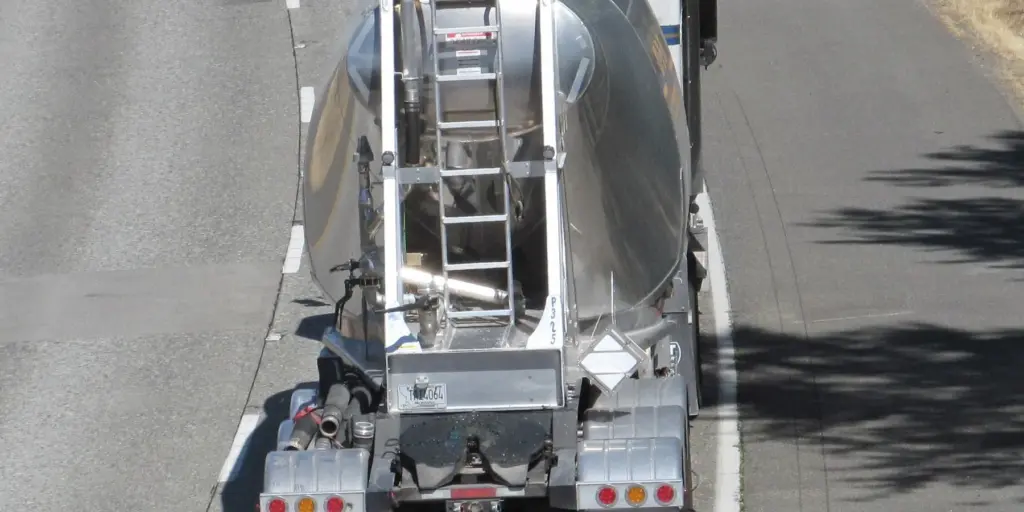
DOT hazmat training must match the hazardous-material functions an employee actually performs. A driver, shipping-paper preparer, loader, package selector and employee who marks or labels a shipment do not need identical function-specific instruction. A strong training provider builds the required general, function-specific, safety and security components around those roles and gives the employer complete training records.
Who counts as a hazmat employee?
The definition reaches beyond CDL drivers with hazardous-material endorsements. It can include anyone whose work directly affects hazardous-material transportation safety, including people who load, unload, package, mark, label, prepare shipping papers, select packaging, operate a vehicle or supervise regulated functions. Job titles do not control. Actual duties do.
The employer should complete a role inventory before assigning courses. An office employee who creates shipping descriptions may be covered even if they never touch a package. A warehouse employee may need training for packaging and loading functions even if a carrier collects the shipment.
The required training components
| Component | Purpose | What to verify |
|---|---|---|
| General awareness and familiarization | Recognize hazardous materials and understand the broad regulatory system | The course covers hazard communication and basic HMR structure |
| Function-specific training | Apply the rules to the employee’s actual regulated tasks | Content reflects mode, materials, packaging and job duties |
| Safety training | Understand emergency response information, exposure protection and accident prevention | Training matches workplace hazards and procedures |
| Security awareness | Recognize and respond to transportation-security risks | Every covered employee receives the required awareness content |
| In-depth security training | Carry out the employer’s security plan when one is required | Assigned employees understand their plan-specific responsibilities |
| Driver modal training | Apply highway-specific requirements in Part 177 and related rules | CDL endorsement training alone is not assumed to cover every employer function |
Initial, recurrent and changed-function training
A new hazmat employee, or an existing hazmat employee assigned a new regulated function, may perform that function before completing the applicable training only within the rule’s limited 90-day window and under the direct supervision of a properly trained and knowledgeable hazmat employee. Required training must then be completed. Recurrent training is required at least once every three years.
Employees with duties under a required security plan need in-depth security training on those responsibilities. If a revised security plan changes an employee’s duties, the applicable training must be provided within 90 days of implementation rather than waiting for the next three-year recurrent cycle.
Training from a prior employer can be used only to the extent the current employer can document that it satisfies the applicable requirements for the employee’s current functions. The current employer still certifies the employee’s training and should close any company-specific or function-specific gaps.
What a professional training provider should deliver
Role-based curriculum map
A written link between job functions, regulatory topics, materials, modes and assigned modules.
Meaningful testing
An assessment that shows the employee can apply the content, with a defined passing and remediation process.
Employer records
The employee’s name, most recent completion date, training materials or their description or location, the training provider’s name and address, and certification that the employee was trained and tested.
Update support
A way to address changed regulations, new materials, incidents and role changes between recurrent cycles.
How to compare DOT hazmat training providers
- Will you identify our hazmat employee roles before recommending courses?
- How is function-specific content matched to our materials, packaging and highway operations?
- Does driver training address Part 177 duties as well as general awareness?
- Can the course incorporate our emergency, loading and security procedures?
- How are learners tested, and what happens after an unsuccessful assessment?
- Do completion records contain every element required by Section 172.704?
- Will you give the employer exportable rosters, course descriptions and certificates for its required retention file?
- How do you handle new hires during the 90-day supervised period and employees changing functions?
- Will you distinguish PHMSA hazmat employee training from CDL H endorsement ELDT?
The hazmat employer must retain each employee’s required training record throughout employment and for 90 days afterward. A provider portal can be useful, but it does not transfer that retention duty or replace an employer-controlled copy.
Hazmat training is not the same as an H endorsement
ELDT for a first hazardous-material endorsement prepares an applicant for the state knowledge test under FMCSA’s entry-level driver rules. PHMSA hazmat employee training covers the functions the person performs for a hazmat employer. A driver may need both, along with TSA threat-assessment and state licensing steps. One certificate should not be marketed as satisfying every program automatically.
Common training failures
Generic awareness-only courses often omit function-specific detail. Other gaps include missing security awareness, no evidence of testing, certificates without a course description, expired recurrent training, and employees performing new functions before the training plan is updated. Training can also fail when it teaches a correct general rule but not the special permit or company process used in the actual operation.
For a broader compliance curriculum, compare DOT compliance training services. Businesses that offer or transport covered quantities should also review PHMSA hazmat registration services.
How DCC helps with this service
DOT Compliance Companies is a provider-matching marketplace. We help carriers and drivers compare listed providers and send a request to suitable businesses. The selected provider confirms its own scope, credentials, coverage and deliverables. Regulated decisions and the motor carrier's legal duties remain with the responsible parties described on this page.
Build role-specific hazmat training
Tell us which materials, modes and hazmat functions your employees perform and when training is due.
Request hazmat training