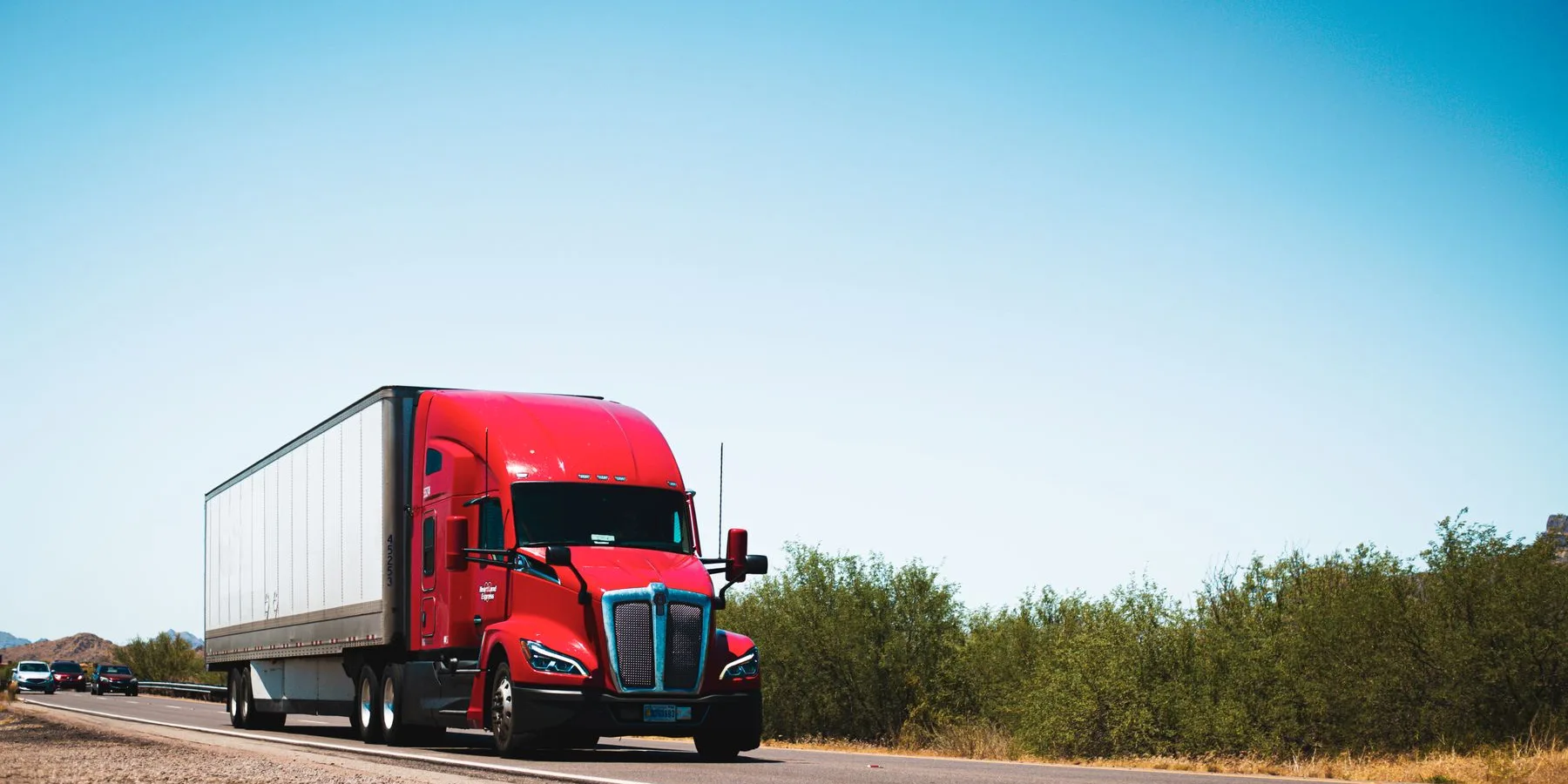
Hotshot work can involve a pickup, a trailer and a changing mix of loads and routes. The label does not determine the compliance rules. A provider needs the actual vehicle and combination ratings, operating weights, cargo, driver duties and interstate or intrastate arrangements before recommending a setup.
Check the pickup and trailer as an operation
Share the truck and trailer details, including the relevant weight ratings, and explain how the combination will be used. Commercial-vehicle rules, CDL requirements and other duties do not all use the same test. A pickup-and-trailer combination should not be treated as automatically exempt, nor should every hotshot driver be placed in the same package.
Ask separately about USDOT registration, any operating authority requirement, driver qualification and medical evidence, hours-of-service records, inspections and vehicle maintenance. Fuel-tax, apportioned-registration and trip-permit questions may need a separate review based on the vehicle and jurisdictions involved.
Identify whether DOT testing applies
FMCSA drug and alcohol testing generally applies when the driver operates a vehicle requiring a CDL on public roads. Owning a USDOT number or holding a CDL is not the whole applicability test. A covered owner-operator running under their own authority needs the appropriate consortium and Clearinghouse arrangements.
Use a provider that can explain the basis for each recommendation using your equipment and work. Confirm the deliverables, government charges, service fees and records supplied at completion. Registration support does not itself authorize a driver or vehicle to begin work before all applicable conditions are met.
The profiles below are compliance providers declaring support for hotshot operations. Read the USDOT registration guide and testing consortium guide, and check FMCSA’s testing applicability guidance.
Compare providers for Hotshot DOT Compliance

Gioioso Coaching and Consulting LLC
Premium MemberFor over 5 years, we've helped drivers safely get back behind the wheel so they can provide for themselves and their families. We will explain the entire process and help…
- SAP return-to-duty evaluations
Covers: Alaska · Arizona · Arkansas
Upper Rogue Counseling and Wellness Center
Free MemberI am a licensed Marriage & Family Therapist, Social Worker and a Oregon Department of Transportation Substance Abuse Professional (SAP). My 25+ years of clinical experience have been focused on…
- SAP return-to-duty evaluations
Covers: Oregon

John Archer Dandridge Ltd
Free MemberOur experienced Substance Abuse Professionals (SAP) are qualified to conduct the required assessments following USDOT regulations. We understand the critical importance of these evaluations in maintaining public safety, and our…
- SAP return-to-duty evaluations
Covers: Michigan