
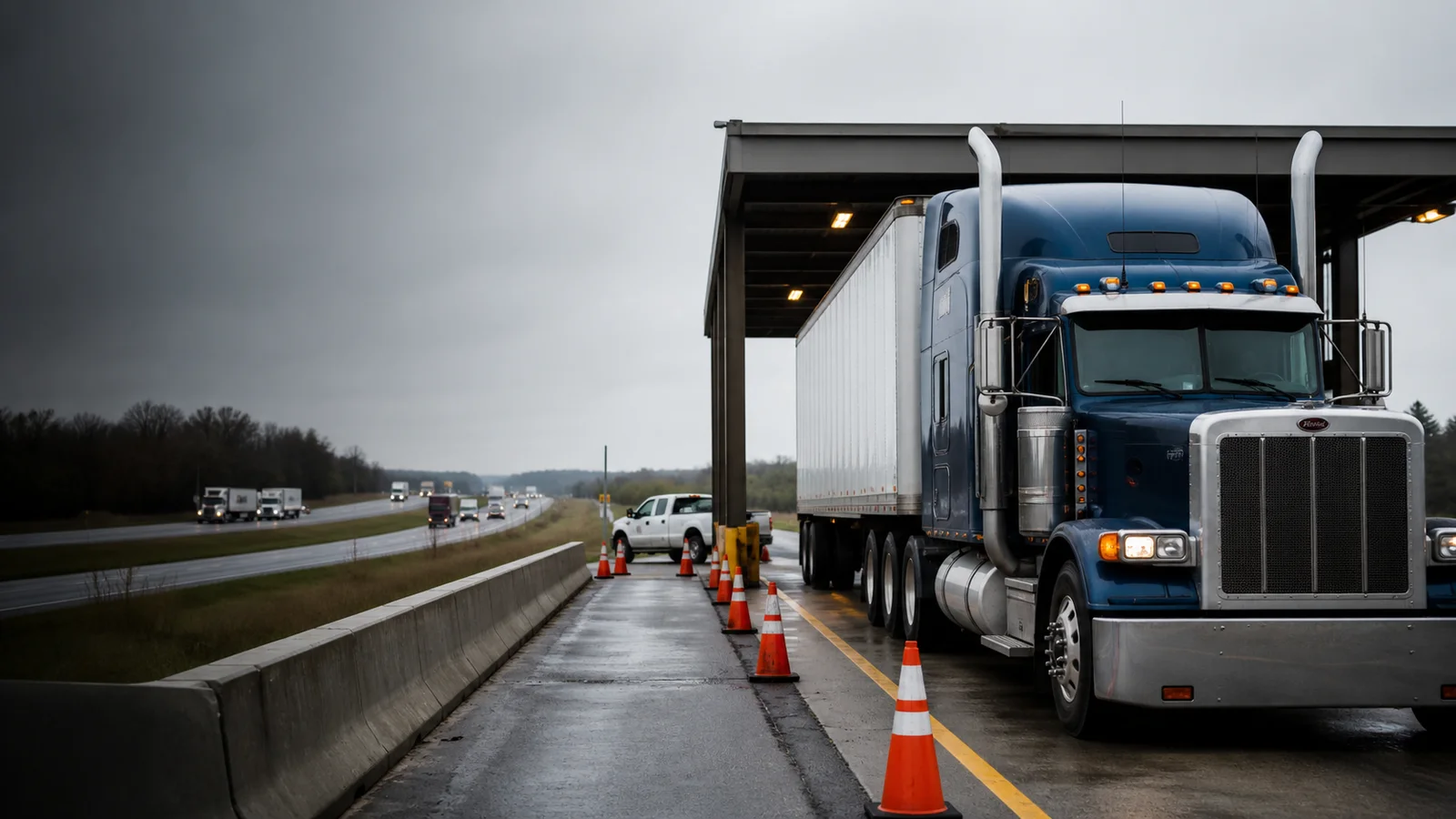
A traffic citation, out-of-service order and carrier enforcement notice are different matters. The first task is to identify the document, the issuing authority and the response deadline. A legal provider needs that information before it can explain the options available to the driver or carrier.
Match the lawyer to the matter
Confirm that the attorney is licensed for the relevant jurisdiction and handles the specific issue. A local traffic practice may have a different scope from counsel handling federal motor-carrier enforcement, a license action or litigation after a crash. Ask who will review the records and whether representation at a hearing is included.
Preserve the complete citation or notice, inspection report, correspondence and supporting operating records. Provide factual details about the vehicle, driver, carrier and event. Avoid assuming that paying a fine, disputing a safety-data entry or contacting a marketplace has resolved the other processes connected with the same incident.
Understand what the engagement covers
Ask for the proposed scope, fees, communication arrangements and any immediate information the attorney needs. Clarify whether the client is the driver, the carrier or both, since their interests and responsibilities may differ. A service listing or request through DCC does not create an attorney-client relationship or pause a deadline.
Be careful with promises that every ticket can be removed or every enforcement action reversed. The lawyer can assess evidence and explain the legal work; the relevant court or authority controls its decision. Use the listed profile to check experience, then confirm credentials and availability directly.
Read the CDL traffic attorney guide for practical preparation. If the issue is an inaccurate inspection or crash record, the official DataQs system is a separate evidence-review route, not a substitute for responding to a citation or legal notice.