
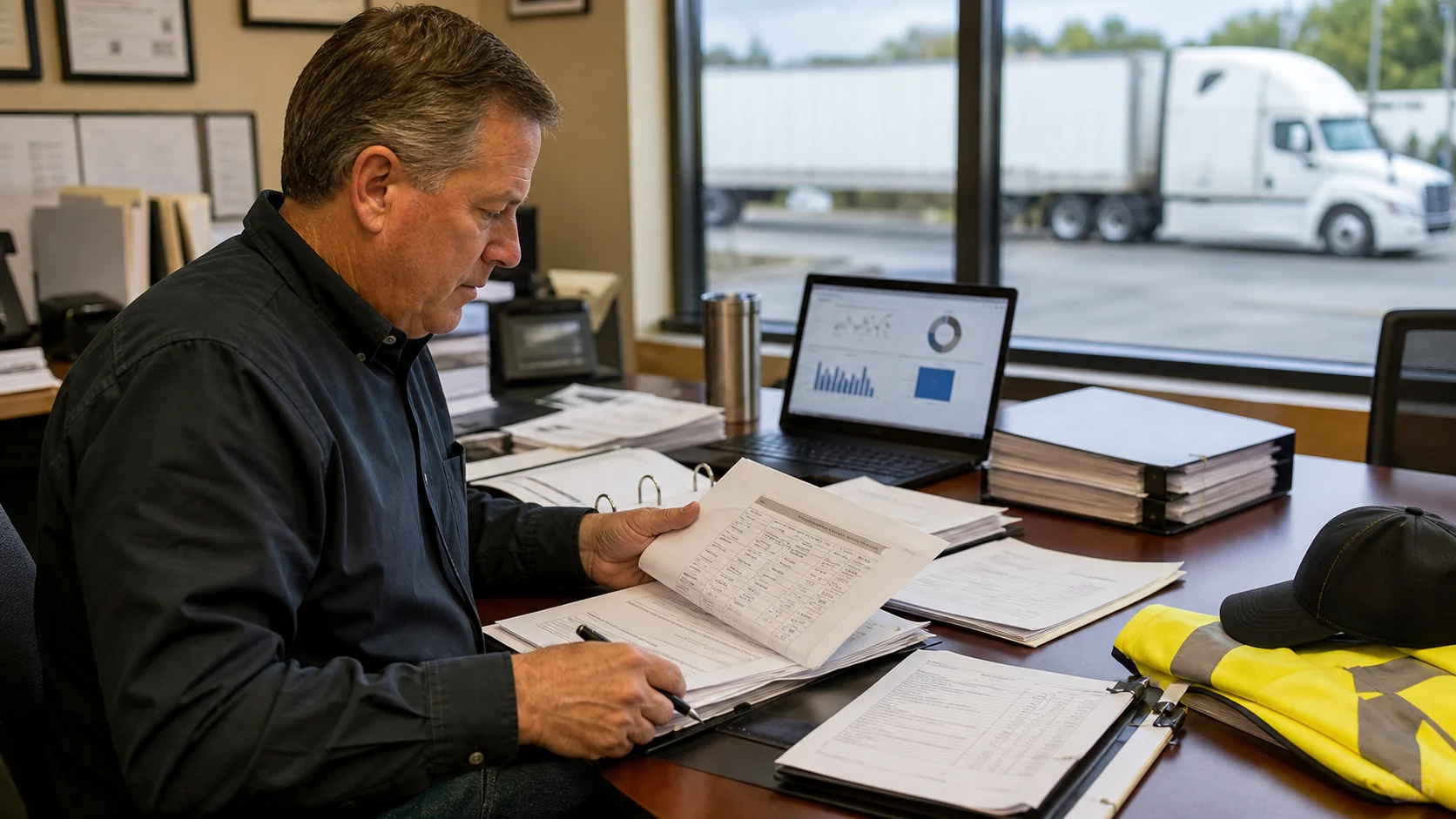
Passenger transport requires a clear description of the service before compliance support can be scoped. A charter operation, shuttle, tour service and other passenger work may raise different questions. Explain how the service is paid for, the designed vehicle capacity, the routes and the business arrangement.
Check the rules for the actual passenger service
A provider should examine interstate or intrastate status and the relevant for-hire and vehicle definitions. Passenger counts, vehicle design and compensation can matter in different ways across the rules. Avoid assuming that a small shuttle or a trip entirely within one state is automatically outside every federal or state requirement.
Ask which driver qualification, licensing, medical, testing and hours-of-service rules apply to the vehicles and drivers. Passenger operations should not simply receive a property-carrier checklist with the heading changed. Vehicle inspection, maintenance, emergency arrangements and the evidence kept by the carrier also deserve a specific review.
Match support to your immediate concern
You may need help before starting a service, after adding vehicles, when hiring drivers or when an audit notice arrives. Send the notice or a factual description of the change so the provider can identify the records and deadlines involved. Passenger-carrier audit requirements can differ from property-carrier requirements; the actual official notice remains the starting point.
Confirm relevant passenger-transport experience, the work included and which records the carrier will receive. Insurance advice and placement should be handled by an appropriately authorized insurance professional; a compliance review does not itself bind insurance coverage or approve a service.
Compare providers whose profiles declare support for passenger carriers, then confirm coverage directly. See FMCSA’s passenger-carrier applicability guidance and the new entrant preparation guide.
Compare providers for Passenger Carrier DOT Compliance

Gioioso Coaching and Consulting LLC
Premium MemberFor over 5 years, we've helped drivers safely get back behind the wheel so they can provide for themselves and their families. We will explain the entire process and help…
- SAP return-to-duty evaluations
Covers: Alaska · Arizona · Arkansas

Upper Rogue Counseling and Wellness Center
Free MemberI am a licensed Marriage & Family Therapist, Social Worker and a Oregon Department of Transportation Substance Abuse Professional (SAP). My 25+ years of clinical experience have been focused on…
- SAP return-to-duty evaluations
Covers: Oregon

Road 2 Recovery
Free MemberRoad 2 Recovery provides professional DOT and Non-DOT Substance Abuse Professional (SAP) evaluations and return-to-duty services for employees and employers. Services include initial SAP evaluations, individualized education and/or treatment recommendations,…
- SAP return-to-duty evaluations
Covers: New York

John Archer Dandridge Ltd
Free MemberOur experienced Substance Abuse Professionals (SAP) are qualified to conduct the required assessments following USDOT regulations. We understand the critical importance of these evaluations in maintaining public safety, and our…
- SAP return-to-duty evaluations
Covers: Michigan