
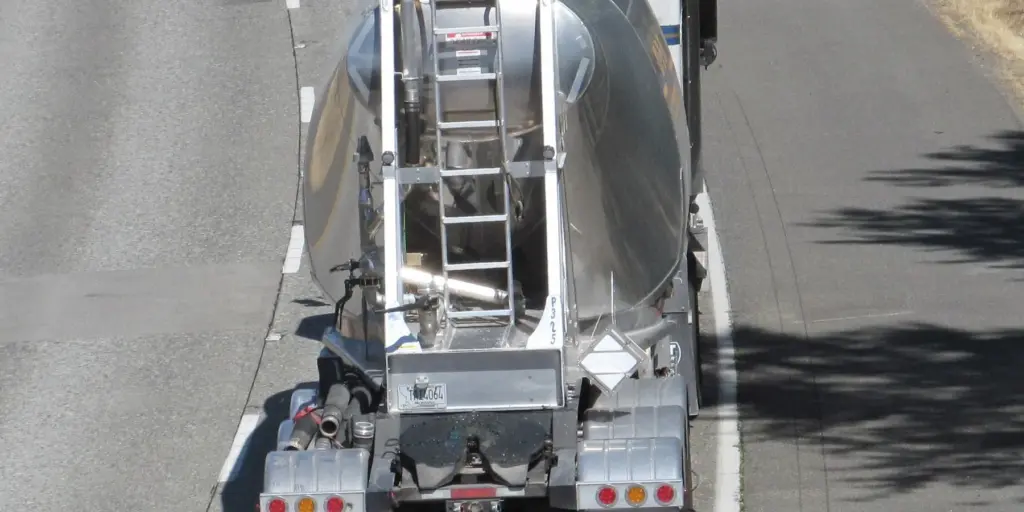
Hazmat compliance is not a single certificate. A business that offers or transports hazardous materials may need PHMSA registration, trained hazmat employees, correct classification and communication, shipping papers, packaging controls, security measures, driver qualifications and, for certain high-risk materials, an FMCSA Hazardous Materials Safety Permit.
PHMSA hazmat registration
Federal law requires persons who offer for transportation or transport certain categories and quantities of hazardous materials to register with PHMSA. The thresholds are defined in 49 CFR Part 107 Subpart G and include activities involving highway-route-controlled quantities of radioactive material, more than one liter per package of extremely toxic inhalation-hazard material, specified bulk packages, certain quantities requiring placarding and other categories listed by PHMSA.
The registration year runs from July 1 through June 30. The 2026-2027 year runs July 1, 2026 through June 30, 2027. A person subject to registration must register before the year begins or before conducting the covered activity. Check the current PHMSA categories rather than assuming that every placarded load, or every small package, has the same treatment.
Registration certificate and records
PHMSA requires a current certificate of registration or the registration number to be carried aboard each truck and truck tractor used to transport covered hazardous materials. The registered person must retain registration records for three years from the end of the registration year. Keep the record accessible and make sure dispatch and drivers know which evidence belongs in the vehicle.
The legal name and address on the registration should be consistent with the entity performing the covered activity. Related companies should not casually share one registration without confirming that it legally covers each person’s role.
When an FMCSA Hazardous Materials Safety Permit may apply
An HMSP is a separate FMCSA requirement for motor carriers transporting specified high-risk hazardous materials, including certain quantities of explosives, radioactive material, toxic-by-inhalation material and compressed or refrigerated liquefied methane or other liquefied gas identified in the rule. Every HMSP holder must also register with PHMSA, but many PHMSA registrants do not need an HMSP.
HMSP eligibility includes safety-performance and program requirements. Do not describe PHMSA registration as an HMSP or assume a USDOT number activates the permit. Check the exact material, packaging and quantity against current FMCSA rules.
The core hazmat compliance controls
- Classification: identify the proper shipping name, hazard class, identification number and packing group using reliable material information.
- Packaging: use authorized packaging in compliant condition and follow closure, compatibility, filling and qualification instructions.
- Hazard communication: prepare accurate shipping papers, markings, labels and placards and provide emergency-response information.
- Training: train, test and document each hazmat employee for general awareness, function-specific duties, safety and security awareness, plus in-depth security training when a security plan applies.
- Drivers and vehicles: confirm CDL hazmat endorsements, vehicle condition, route and parking restrictions, attendance duties and cargo-tank requirements where applicable.
- Security: determine whether the materials trigger a written security plan and keep access, personnel and transportation controls current.
- Incident response: maintain emergency contacts and understand incident-reporting duties before a release occurs.
Building a defensible hazmat review
- Create an inventory of materials, quantities, package types, origins, destinations and the company’s role as offeror, carrier or both.
- Confirm classification using the Hazardous Materials Table, safety data and technical information. Resolve uncertain classifications with qualified help.
- Map each activity to PHMSA registration, HMSP, state permit and driver-endorsement requirements.
- Identify every hazmat employee by actual function, including staff who select packaging, prepare papers, load, mark, dispatch or transport.
- Review training dates, tests, descriptions and instructor records against 49 CFR Part 172 Subpart H.
- Sample shipping papers, packages, placards, emergency information and vehicle documents from real movements.
- Assign corrections, preserve evidence and repeat the review when materials, routes, packaging or personnel change.
Common gaps that a certificate does not solve
A current PHMSA certificate cannot cure an incorrect shipping description, expired employee training, missing placards, an unqualified package or a driver who lacks the required endorsement. Likewise, a carrier may have a strong training file but still miss annual registration or a state-specific permit. Treat each layer as a separate control linked to the same material inventory.
Do not rely on a generic checklist that never identifies the material. Requirements differ sharply between limited quantities, bulk packaging, cargo tanks, toxic inhalation hazards, explosives and radioactive materials. A specialist should be told exactly what the business offers or transports, not merely that it carries “chemicals.”
How hazmat duties connect to fleet compliance
Hazmat obligations sit within the broader carrier safety system. Driver qualification, drug and alcohol testing, hours of service, vehicle inspection, maintenance and incident response may all apply. DCC can connect carriers with support for driver qualification files, DOT drug and alcohol consortium services and outsourced safety management.
Questions to ask a hazmat compliance provider
Ask whether the review begins with an actual material and packaging inventory, which federal and state rules will be mapped, and what written deliverables the business will receive. A credible scope should distinguish PHMSA registration, HMSP, state permits, training, shipping papers, packaging, placarding, security and driver requirements rather than selling one certificate as a complete solution.
Confirm who will make technical classification decisions and what source information they need. Ask how exceptions and special permits are documented, how training is tailored to employee functions, and whether the provider samples real shipments. The final action list should assign owners and dates, identify immediate stop-work issues and preserve the evidence used.
Compliance also needs change management. New materials, package sizes, routes, customers, facilities and job roles can alter the rules. Add a hazmat review to procurement and sales approval so operations do not accept a shipment first and ask regulatory questions after dispatch.
Include emergency planning in the same review. Drivers and dispatchers should know where response information is kept, whom to call and how to protect people without improvising technical advice. After an incident or near miss, preserve records, meet reporting duties and use the findings to correct training, packaging or operating controls.
Official hazmat sources
Last reviewed: 18 August 2026. Review PHMSA registration information, 49 CFR Part 107 Subpart G and 49 CFR Part 172 Subpart H training rules. Check current FMCSA HMSP guidance and state requirements for each operation.
Need help with hazmat compliance?
Describe the materials and transportation role so we can connect you with a specialist for a fact-specific compliance review.
Request specialist support